


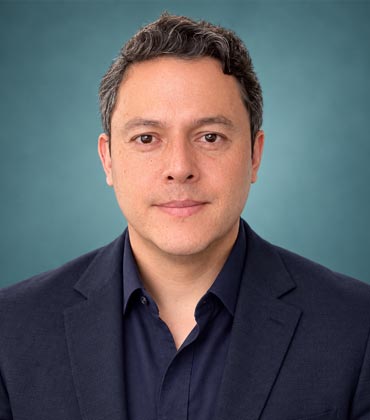
 Herney Cuartas Martínez, General Manager
Pancreatic enzyme replacement therapies represent an essential intervention for patients with exocrine pancreatic insufficiency and other conditions associated with significant impairment of digestion and nutrient absorption. However, their clinical impact may be limited when patients do not fully understand their role within the therapeutic process, fail to properly integrate administration with dietary habits or face access, follow-up or adherence barriers.
From this perspective, Patient Support Programs become a strategic infrastructure for translating a pharmacological intervention into sustained clinical value. A well-designed PSP enables patient and caregiver education, reinforces appropriate therapy use, promotes attendance at medical appointments, encourages completion of monitoring tests, identifies early barriers and activates support pathways before therapeutic continuity is compromised.
-
The next frontier is not only to produce better therapies, but to build better ecosystems that allow those therapies to fulfill their purpose.
In these treatments, adherence must be understood as a multidimensional health behavior. It is not limited to taking the prescribed medication; it also involves health literacy, therapeutic discipline, informed self-care, family support, nutritional monitoring, communication with the treating team and the patient’s ability to self-manage administrative or logistical obstacles.
For pancreatic digestive enzyme manufacturers, this perspective opens a strategic opportunity: to complement the scientific value of the molecule with support models that optimize the patient experience in the real world. Future differentiation will not depend exclusively on formulation, but on the ability to integrate therapies, education, technology, analytics and human support into smarter, more traceable and patient-centered care pathways.
In Latin America, where access challenges, institutional fragmentation and territorial heterogeneity remain persistent barriers, PSPs can act as catalysts for therapeutic continuity. Their value lies in reducing the distance between medical prescription and the patient’s daily life, between pharmaceutical innovation and expected clinical outcomes and between the product itself and its true health benefit.
The next frontier for this segment will not be only to produce better therapies, but to build better ecosystems that allow those therapies to fulfill their purpose. In that context, Patient Support Programs are becoming a strategic asset for the pharmaceutical industry, healthcare systems, patients and their families.
Managing Patient Support Before Continuity Breaks
In Latin American patient support programs, continuity rarely breaks because of a single missed call or delayed reminder. Risk builds across authorization steps, missed appointments, monitoring tests, side-effect reporting, caregiver coordination and the everyday difficulty of navigating fragmented health systems. Pharmaceutical teams funding these programs need to know more than how many patients have been contacted. They need a service model that can spot signs of disengagement early, document what is happening and give the support team time to intervene.
A patient support program can generate plenty of activity without necessarily moving the patient forward. Call logs grow, and dashboards fill up while an access barrier remains unresolved for days. What matters is whether each interaction makes the patient's next step clearer and gives the support team useful information to act on. Enrollment, consent, patient characterization, treatment initiation, medical follow-up, monitoring tests, administrative support, adverse-event reporting and program closure all need to remain connected. Good documentation allows pharmaceutical sponsors to see recurring barriers rather than receive broad summaries of activity. It should also protect patient data, maintain audit trails, standardize handoffs and support pharmacovigilance without allowing paperwork to take over the program.
Human follow-up remains central to that work. Patients with chronic, rare, orphan and oncology-related conditions may need different forms of support at different points, from education and appointment reminders to transportation guidance and caregiver involvement. Patient segmentation can guide that support, but it should not make the experience feel automated. A reminder has limited value when the real issue is fear, low health literacy, family pressure or an unanswered question about access. Trained staff need to recognize those differences and adjust the level of support while treating patients with dignity throughout the process.
Technology has a practical role to play. It should organize patient records, schedule contacts, trigger alerts, document barriers, support reporting and give sponsors a clear view of how the program is performing. But not every problem can be handed back to the patient through a digital tool. Confusion, fatigue, financial concerns or simply not having someone return a call may require human intervention. Software is most useful when it directs that attention to where it is needed. A missed laboratory test, delayed authorization, misunderstood instruction or a caregiver who was left out of the conversation can all affect whether a patient stays on therapy.
The program also has to work across the realities of Latin America. Health systems, geography, communication habits and the role of family vary from country to country. Sponsors still need standardized records and consistent processes so that performance can be measured across programs. At the same time, support has to adjust to the territory, communication channel, literacy level and individual patient profile. Too much flexibility makes consistent measurement difficult; too much standardization can overlook what a patient actually needs.
PSP Solutions SAS brings treatment continuity and program management together within this model. Its managed service structure incorporates PSP Cloud, Issabel, Power BI, Kawak and Patient University. Together, these platforms support patient enrollment, follow-up, education, barrier registration, reporting and quality control, alongside support pathways such as diagnostic assistance, infusion center visits, remote titration and administrative assistance. Pharmaceutical sponsors gain traceability and a structured way to manage the program, while patients and caregivers continue to have access to trained human support. For Latin American programs where adherence depends on both visibility into patient needs and consistent day-to-day follow-through, PSP Solutions SAS provides a practical fit.
...Read more
